
Оценка состояния агрофитоценозов озимой пшеницы в зимний период в условиях Калининградской области
Оценка состояния агрофитоценозов озимой пшеницы в зимний период в условиях Калининградской области
Аннотация
Анализ полевых исследований по оценке развития и перезимовки озимой пшеницы сорта Синева в условиях Калининградской области. Гумидный климат региона с неустойчивым снежным покровом, а в последние годы чаще с его отсутствием, — основные факторы риска, влияющие на продуктивность озимых. В почвенно-климатических условиях региона проблема вымокания посевов — вопрос, часто встречающийся в агрономической практике. На полях локально формируются участки с верховодкой в осенне-весенний период вегетации озимых злаков, что сокращает площади с высокой потенциальной урожайностью культуры, и, в свою очередь, отражается на валовых сборах зерна. В связи с этим мониторинг озимых посевов выступает как инструмент прогнозирования продуктивности агрофитоценозов. Результаты оценки показали, что перезимовка озимой пшеницы в 2021–2022 гг. и 2024–2025 гг. на дерново-слабоподзолистых глееватых составила высокий балл и характеризуется как «очень высокая»; на дерново-глеевых почвах — от «очень низкой» до «средней». Однако в условиях локального переувлажнения и формирования верховодки физиологически здоровое состояние растений пшеницы снижается до 85–95% при переувлажнении более 60 дней, и на 55–65% — при переувлажнении до 35–40 дней, на 20% — 20–25 днях соответственно; эти значения применимы при температуре воздуха близкой к нулю. Отмечено при умеренном увлажнении почв состояние растений под снежным покровом в 12 см, температуре минус 16–20 0С и промерзании почвы на глубину до 8–10 см находится в абсолютно оптимуме. Отсутствие льда, ледяных корок, обледенения частей растений озимой пшеницы в таких условиях обеспечено за счет сохранения снежного покрова только в состоянии рыхлой, воздушной, структурной формы снега.
1. Introduction
When cultivating agricultural crops, risks are identified that can affect the development of winter crops during the autumn-winter-spring growing season and the phytosanitary condition of agrocenoses after overwintering. These include dynamic temperature changes from positive to negative in the tillering node zone of cereals; repeated thawing and freezing of the upper soil layer; the formation of an ice crust; lack of snow cover, and, conversely, prolonged snow cover , , , .
Additionally, among the limiting risk factors in the region for cultivating winter crops is the water regime of the soils. A deficiency or excess of moisture negatively impacts the development of the plant organism, which directly manifests as a decrease in the generative potential of varieties. In the Kaliningrad region, more than 70% of agricultural landscapes have been converted to arable land thanks to technical solutions for water reclamation — using a closed ceramic drainage system with water discharge into an open channel. Within the drained agro-landscapes of the region, elements of local secondary waterlogging are observed, with signs of gleying , appearing in the lower soil horizons of the morphological profile. The formation of waterlogging (rising groundwater levels, formation of surface water) creates an edaphotopic environment in agrocenoses that is detrimental to plant growth, manifesting as necrosis of their tissues, first at the tip of the leaf blade, then at the growth point, stem, and tillering node. The partial or complete death of plants under such conditions depends on the duration of flooding and negative temperatures during the winter period.
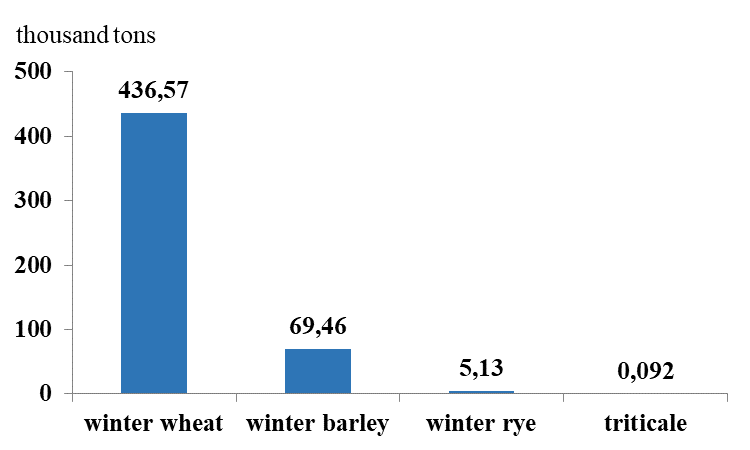
Figure 1 - Gross harvest of winter crops in 2024 in the Kaliningrad region
Note: authors' calculations based on [17], [18]

Figure 2 - Winter crops in 2025 sowings in the Kaliningrad region
Note: authors' calculations based on [15]
The objective is to monitor the overwintering of winter wheat plants of the Sinava variety on drained sod-podzolic and sod-gley soils in the Kaliningrad region under conditions of possible secondary waterlogging.
2. Research method
Object of Study: Winter wheat (Triticum aestivum L.) of the Sinava variety (hybrid population Lutescens ABCG x Mironovskaya 67) of intensive type; variety Lutescens; reproduction II. The originator of the variety is the Federal State Budgetary Scientific Institution "Federal Scientific Center for Leguminous and Cereal Crops," LLC "ZBK-Center," and JSC "Shchelkovo-Agrohim" .
Sowing Dates: September 17, 2021, and September 20, 2024; sowing rate: 210 kg/ha; sowing method: narrow-row; predecessor: winter rapeseed. Spring fertilization of winter wheat with nitrogen fertilizers is carried out in March (March 13, 2022, and March 25, 2025).
The winter wheat crops were located on drained sod-podzolic and sod-gley semi-hydromorphic soils within the Polesskaya Lowland. The entity managing land resources is the Kaliningrad Research Institute of Agriculture — a branch of the Federal State Budgetary Scientific Institution "Federal Scientific Center for Forage Production and Agroecology named after V.R. Williams." This land area has been designated as a cultural forage land of pasture and haymaking type with a regulated grazing system for over 30 years, maintaining its purpose until 2018 , . Field and agrometeorological observations and analyses were conducted from October 2021 to March 2025. The density of plant stands was determined using trial plots of 0.25 m² in four repetitions at the end of the autumn vegetation period (quantitative method) and at the beginning of the spring vegetation period (quantitative and weight method) (GOST 20915-75), expressed as an arithmetic mean:
where: a — the number of encountered individuals (stems) of plants;
S — total accounting area, m².
The condition of the crops was assessed using the following grading scale: excellent condition — at least 400 plants; good — 300–400 plants; satisfactory — 200–300 plants; poor — less than 200 plants; 130 or more plants per square meter — the area is subject to reseeding; less than 130 plants — reseeding is carried out.
3. Results and discussion
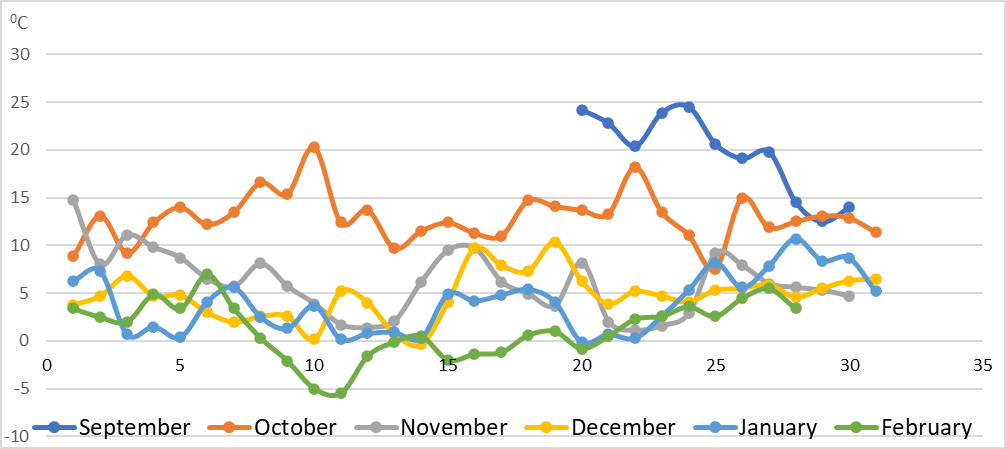
Figure 3 - Dynamics of maximum air temperatures in the autumn-winter-spring period in the Kaliningrad region on average for the years 2021-2022 and 2024-2025
Note: authors' calculations based on [17]

Figure 4 - Dynamics of minimum daily air temperatures in the autumn-winter-spring period in the Kaliningrad region on average for the years 2021-2022 and 2024-2025
Note: authors' calculations based on [17]
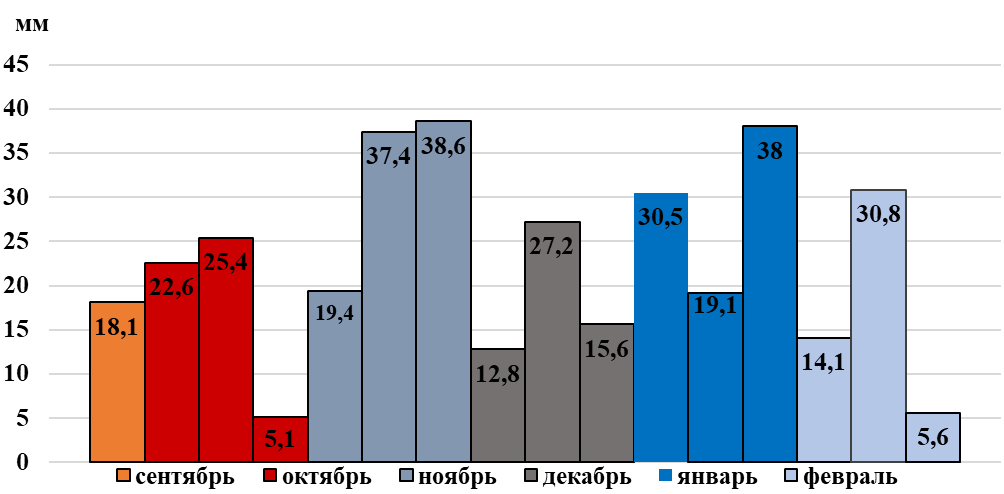
Figure 5 - Total precipitation per decade since sowing
Note: authors' calculations based on [17]
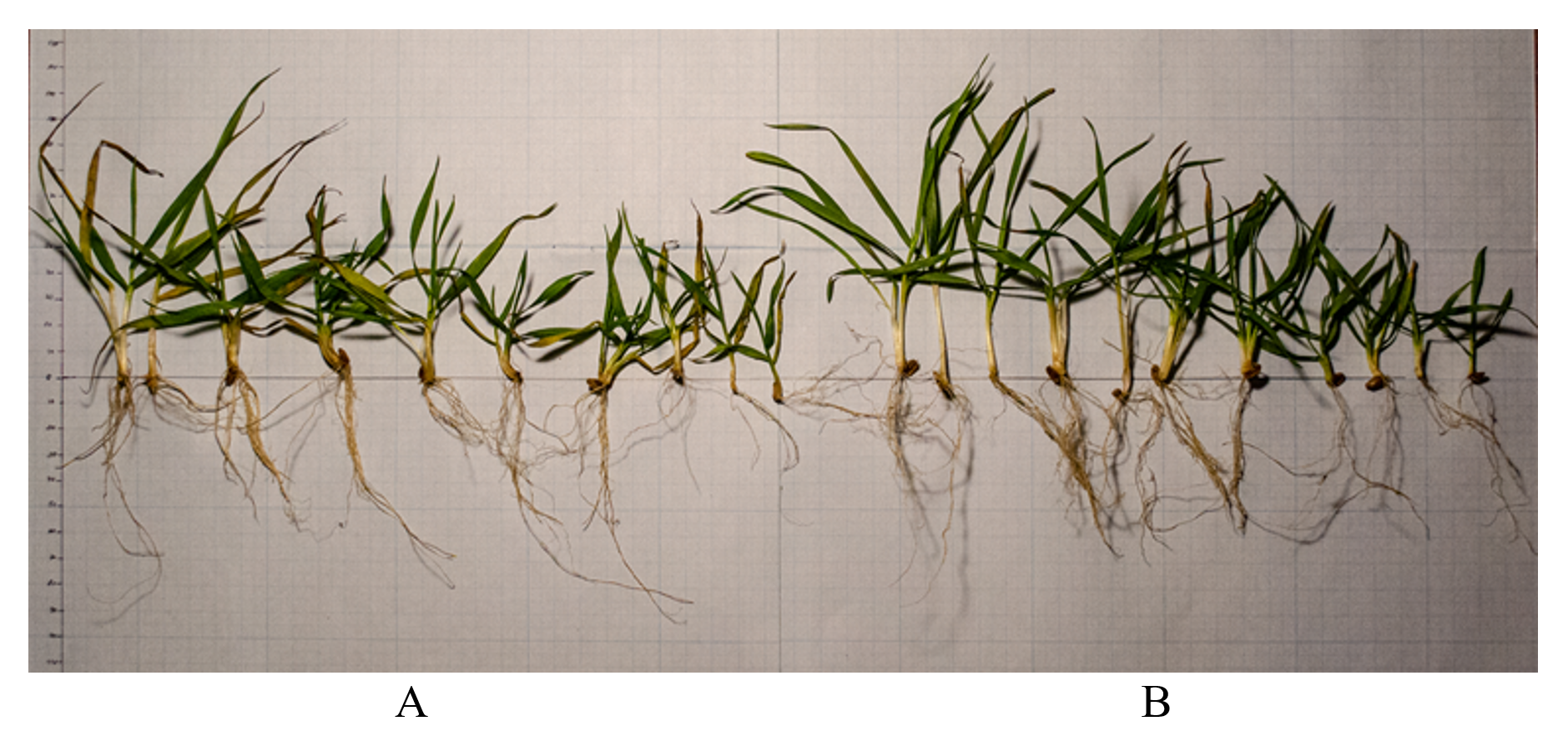
Figure 6 - Condition of winter wheat crops in soaking areas in the conditions of the Kaliningrad region:
A - in conditions of waterlogged soils; B - in conditions of moderate moisture
Note: for example, plants from January 26, 2025
Overmoistening of the plant growth environment primarily manifests as partial necrosis of the protective, fundamental, and conducting tissues of the leaf blade. A decrease in biomass from 539.84±29.6 g/m² (under moderate overmoistening) to 343.52±13.7 g/m², and by 85–90% (under flooding conditions), which in percentage terms is 36.37%, was observed 10 days after spring fertilization.
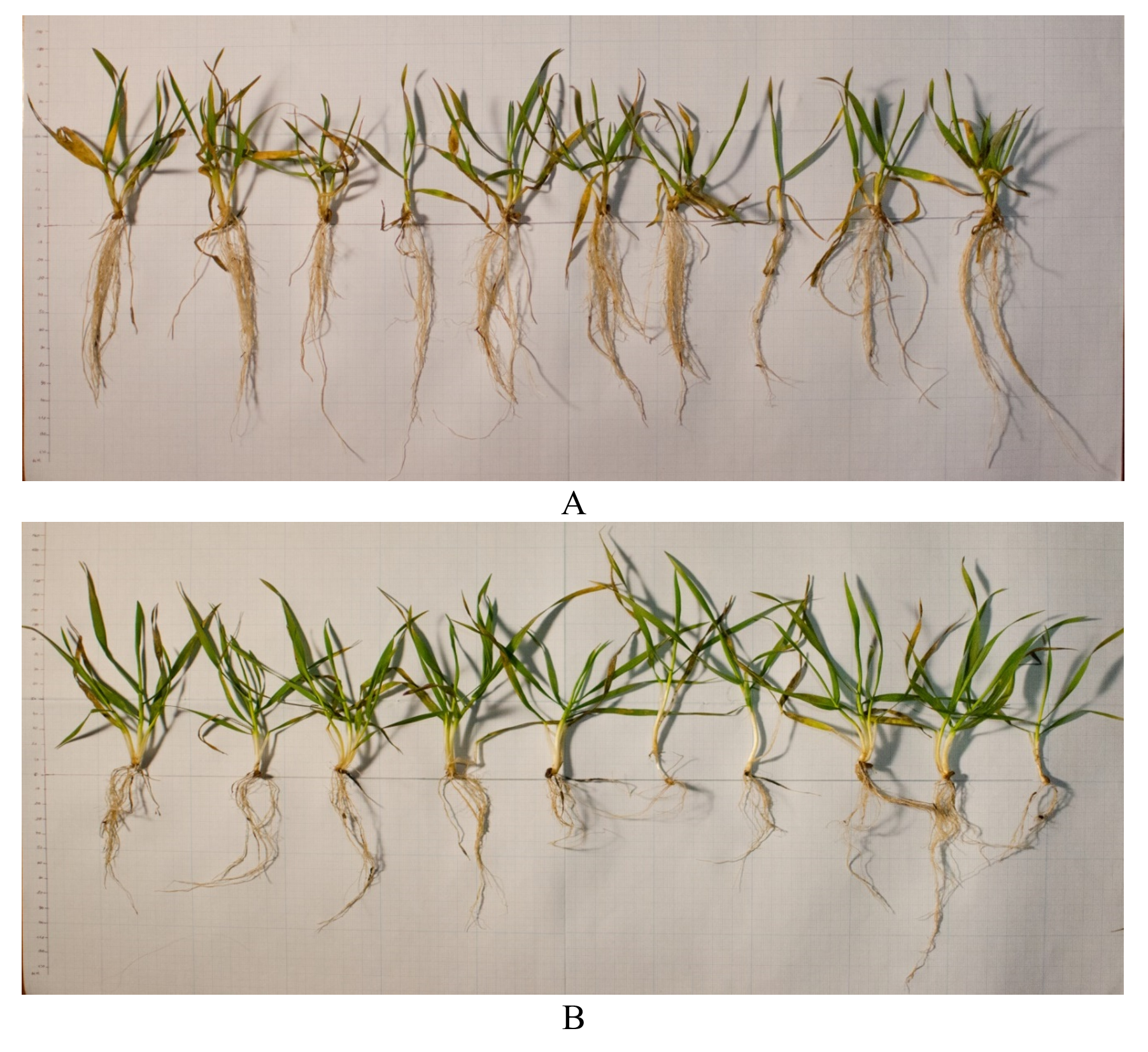
Figure 7 - Assessment of the condition of plants in the agrophytocenosis of winter wheat in mid-March in the conditions of the Kaliningrad region:
A - in conditions of waterlogged soils; B - in conditions of moderate soil moisture
4. Conclusion
In the conditions of the Kaliningrad region, the most likely occurrence is the development of waterlogging in gley soils. In this regard, monitoring and the creation of ecological-hydrological passports for fields are necessary to make targeted, economically justified decisions for optimizing the water-air regime of soils.
Waterlogging of soils during the overwintering period of winter crops can be classified as a separate risk group, as it is forecasted to lead to a decrease in the productivity of cereal crops. This forecast will be localized, specifically for areas of the agro-phytocenosis where surface water has accumulated.
Waterlogging of the plant habitat primarily affects the partial necrosis of protective, fundamental, and conducting tissues of the leaf blade. A decrease in biomass from 539.84±29.6 g/m² (under conditions of moderate waterlogging) to 343.52±13.7 g/m², and by 85-90% (under flooding conditions), which in percentage terms amounts to 36.37%, was observed 10 days after spring fertilization.